RADSENPRO
Nutritional support positioned alongside cancer care
A formulation featuring Resveratrol, Ursolic Acid, Caffeic Acid and Chlorogenic Acid metabolites. Radsenpro is a cancer-care supplement sensitiser / radio-modifier that includes preclinical and clinical study information.
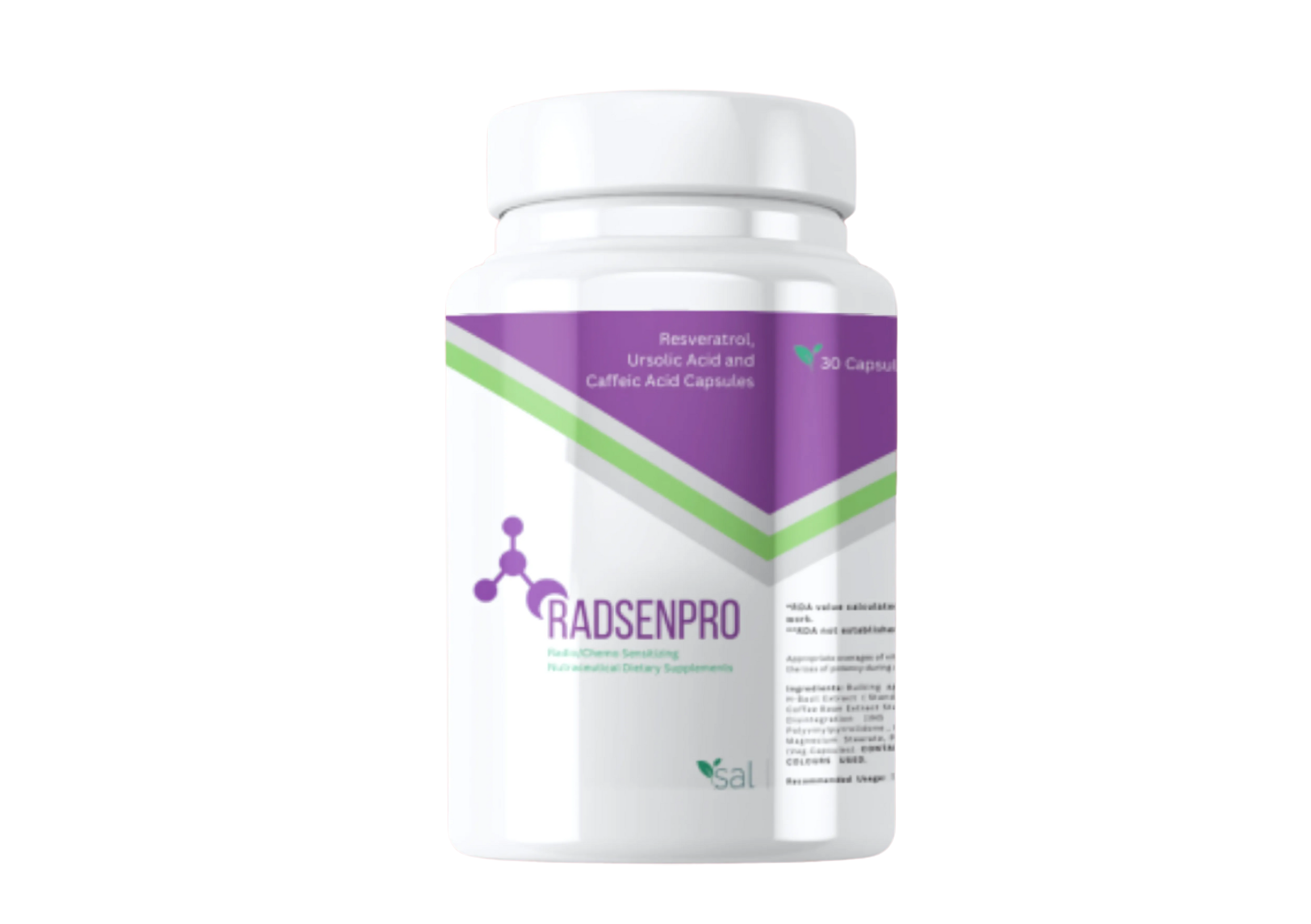
Four-ingredient formulation
A synergistic blend of plant-derived bioactives selected for their role in radiation-care support.
Resveratrol
A naturally occurring polyphenol included as a core component of the formulation.
Ursolic Acid
A plant - derived triterpenoid included in the formulation and mechanism-of-action graphic.
Caffeic Acid
One of the bioactive components represented in the brochure's pathway illustration.
Chlorogenic Acid Metabolites
Included in the formulation and shown in the brochure's mechanism - of - action material.
Patient Derived PDX Model Response
(3D Organoids — Ex Vivo)
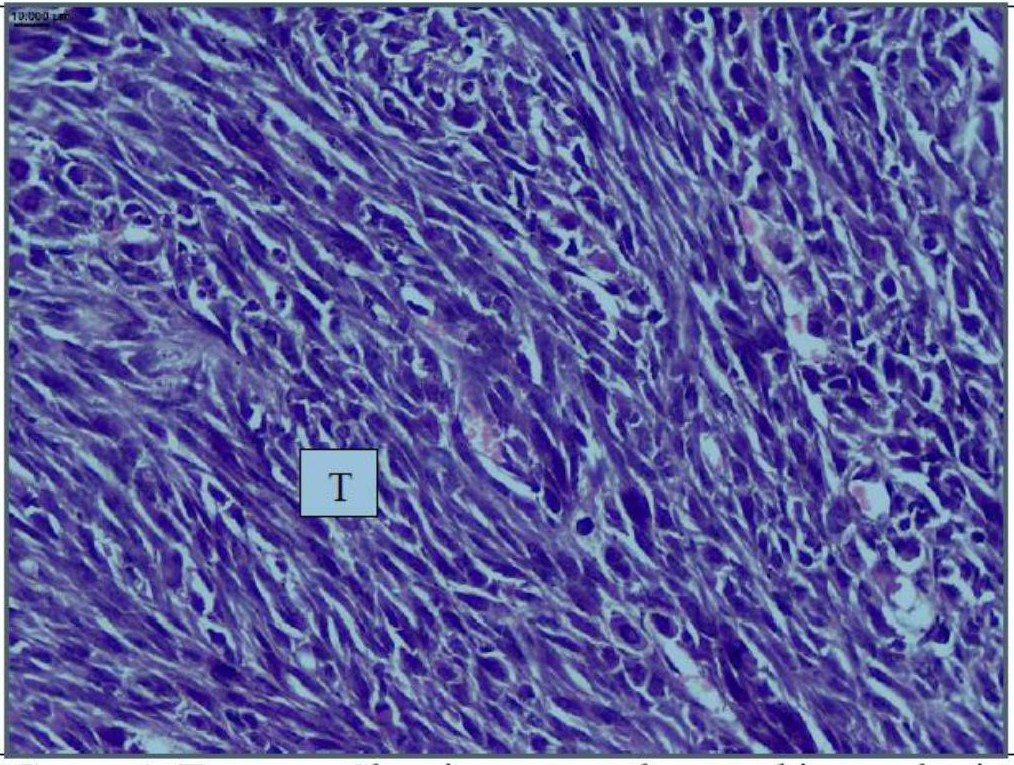
Group 1 — Vehicle Control (RADSENPRO)
Tumour: Severe pleomorphic neoplastic cells (T) and no necrosis. 40×, H&E Stain.
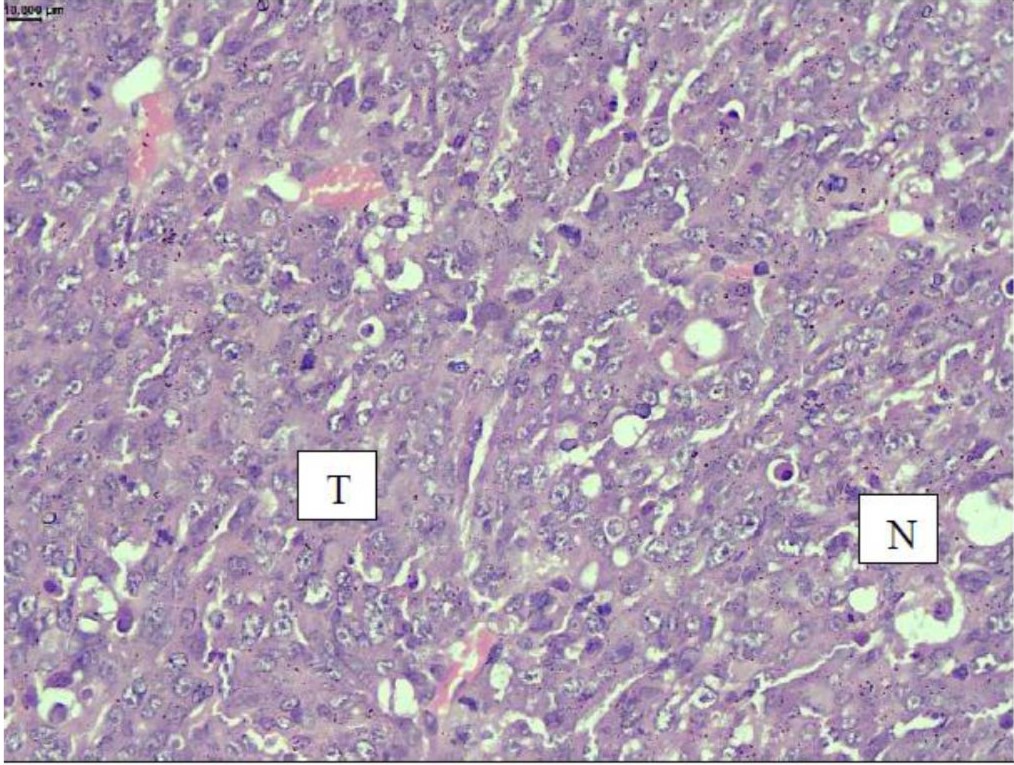
Group 2 — Radiation (2 Gy, 5-day Exposure)
Tumour: Moderate tumour cells (T) with mild necrosis (N). 40×, H&E Stain.
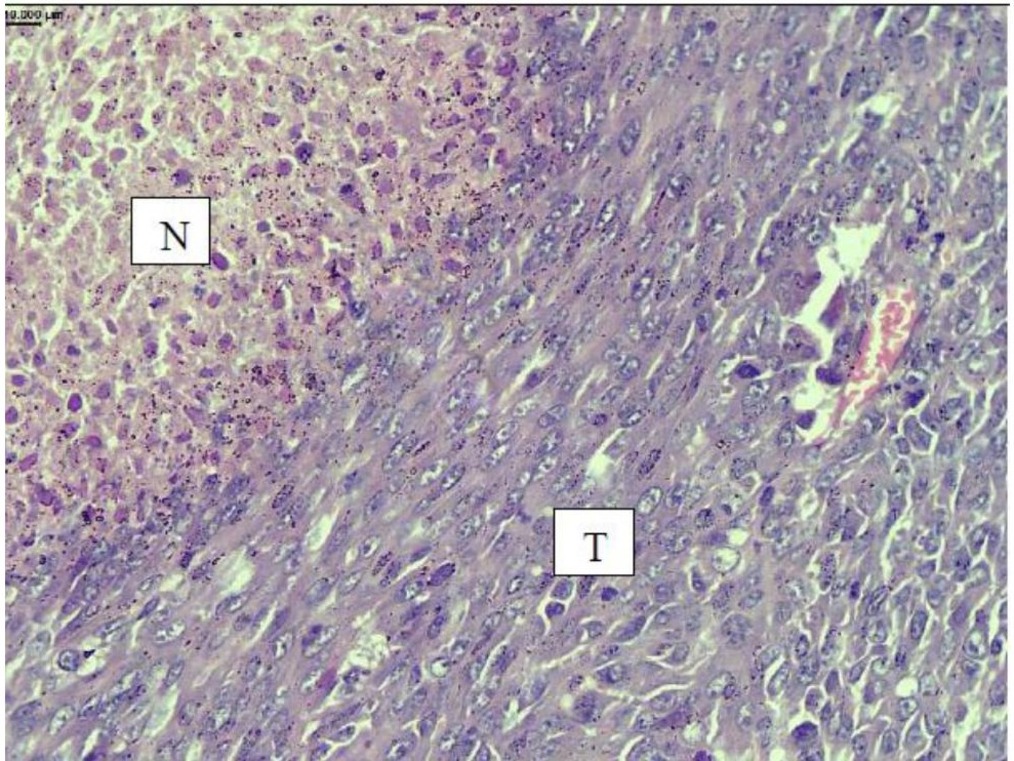
Group 3 — Radiation + RADSENPRO (2 Gy, 5-day; 1000 mg/kg)
Tumour: Minimal tumour cells (T) with severe necrosis (N). 40×, H&E Stain.
Benefits
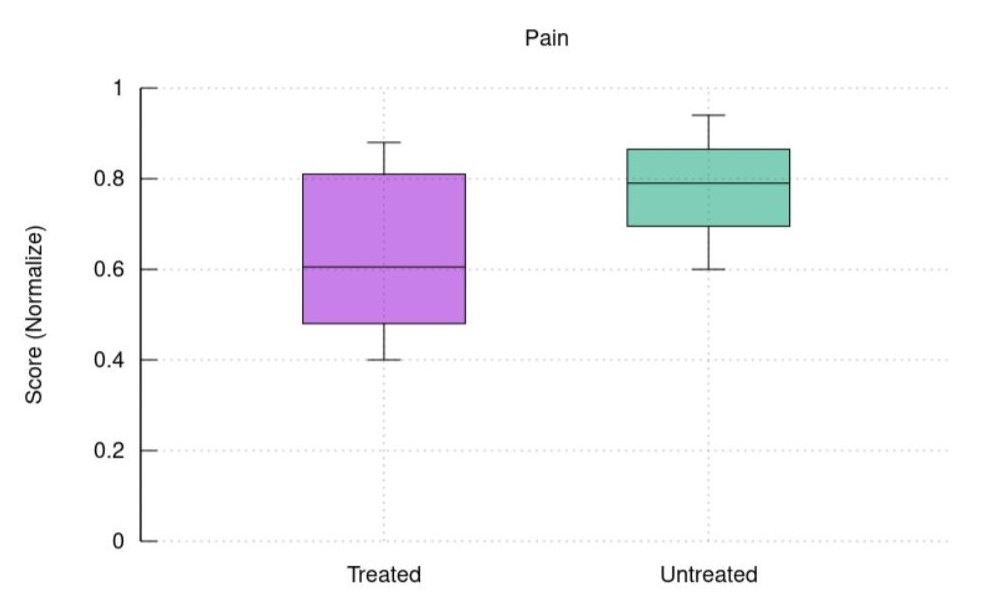
A — Pain
Reduction in pain scores across treatment cohorts.
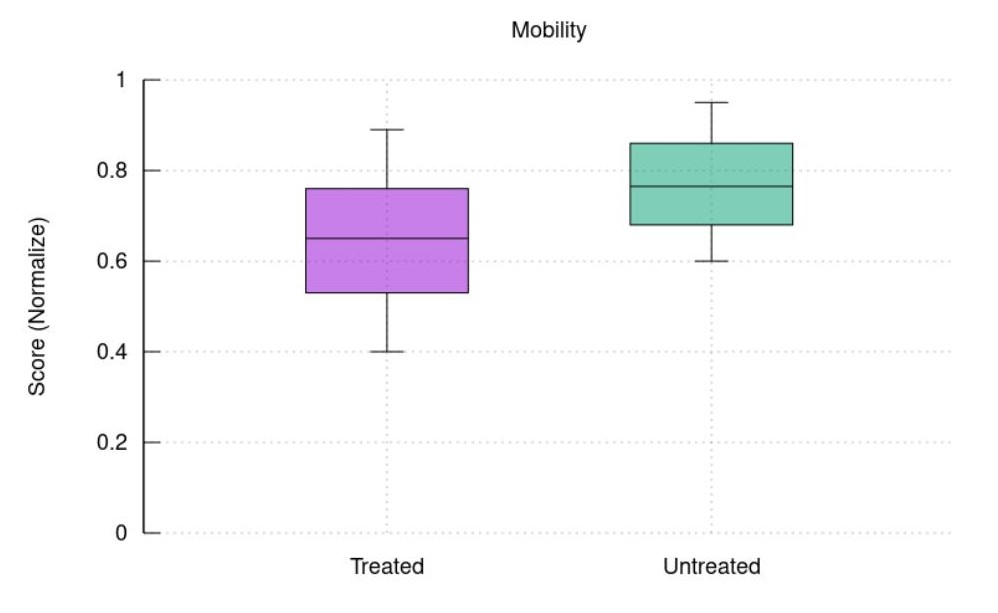
B — Mobility
Improvement in mobility and reduction of physical limitations.
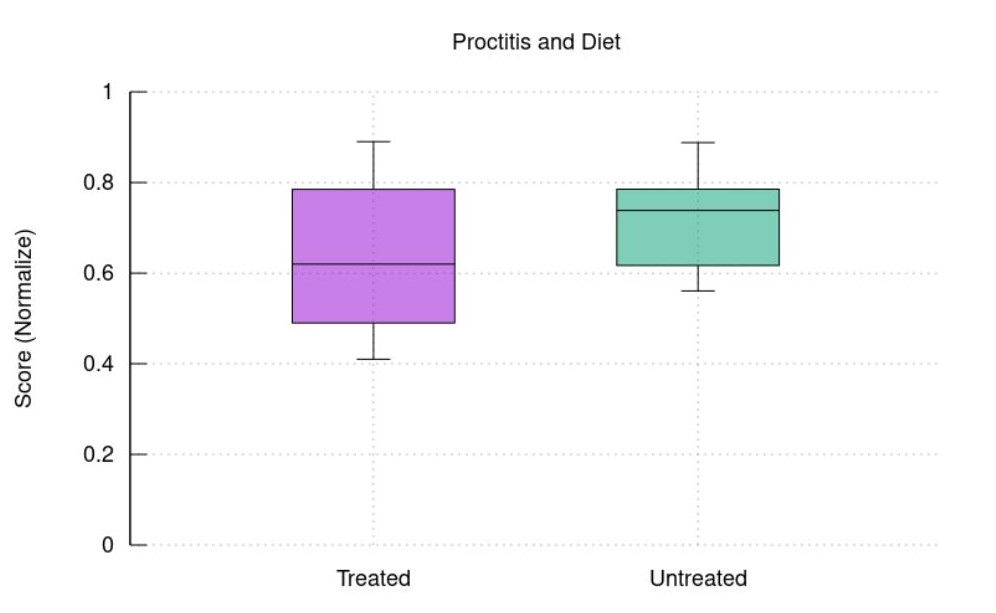
C — Proctitis & Diet
Reduced proctitis incidence and improved dietary tolerance.
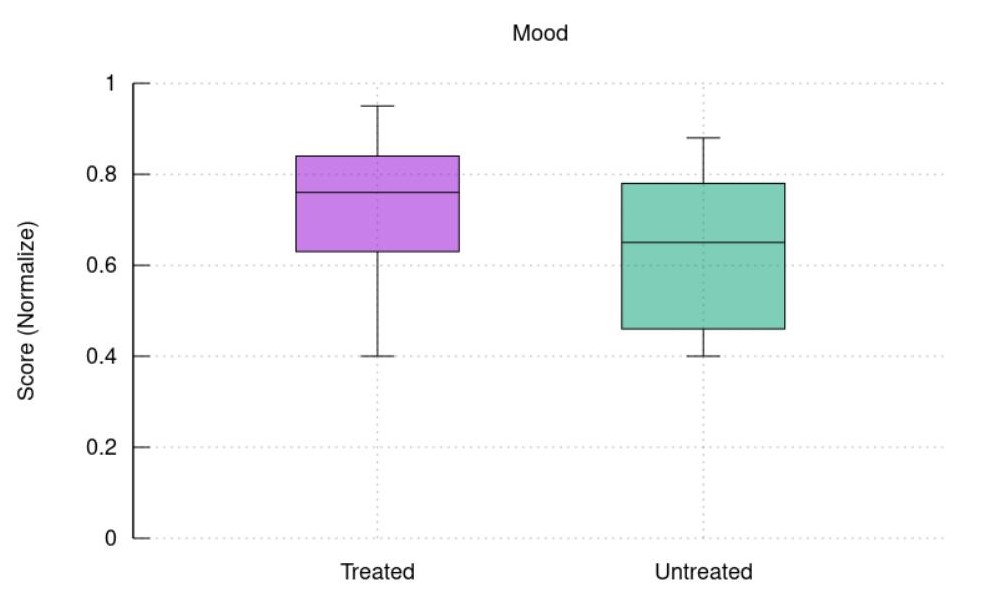
D — Mood & Irritability
Positive shift in mood variation and reduced irritability.
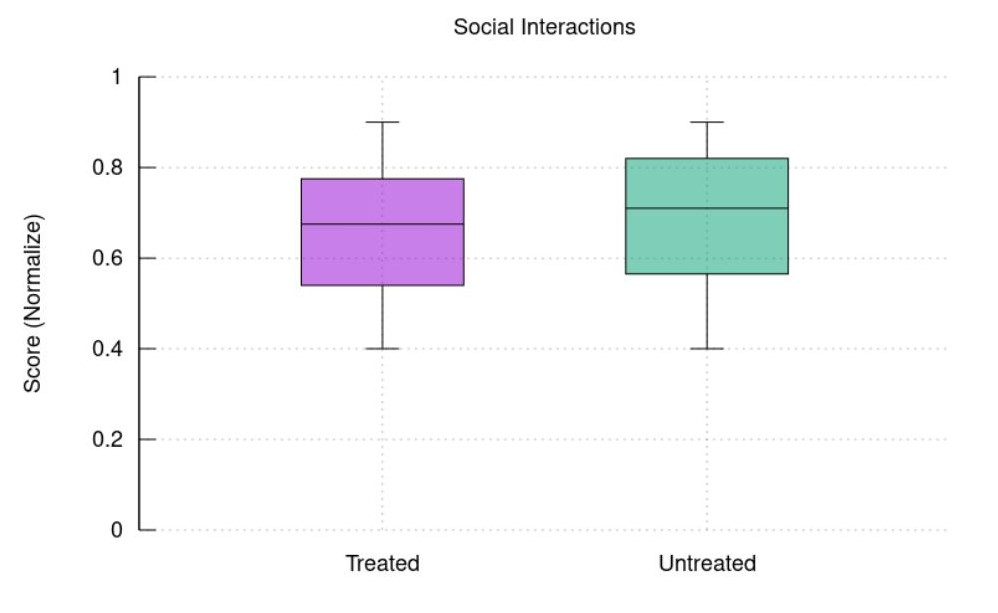
E — Social Interactions
Fewer social inhibitions reported in the treated cohort.
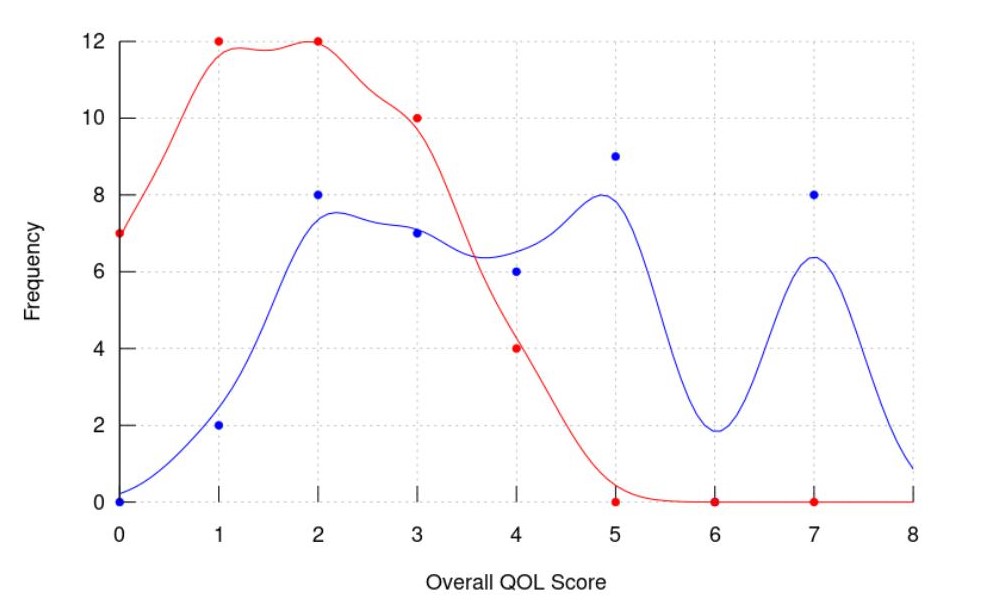
F — Overall QOL
Distribution of overall QOL within two cohorts (Red: Untreated · Blue: Treated).
RADSENPRO supplementation reduced cancer biomarkers post-treatment
Rate of change of prognostic biomarkers assayed in Breast and Prostate cancer to track rate of change between the two cohorts.
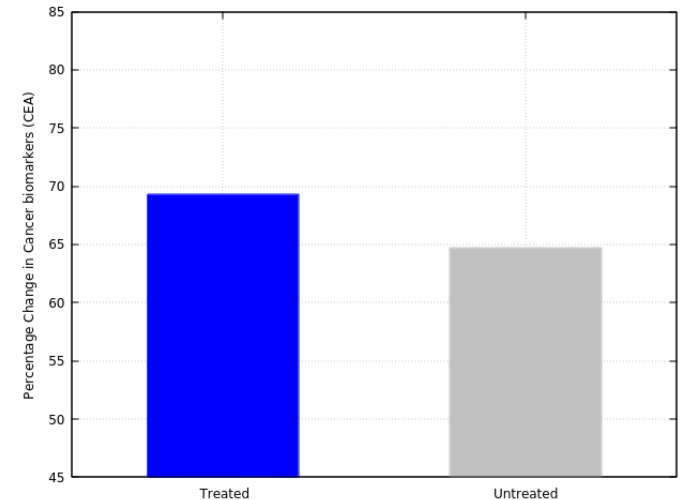
Rate of change expressed as the total median percentage change between the two treatment groups.
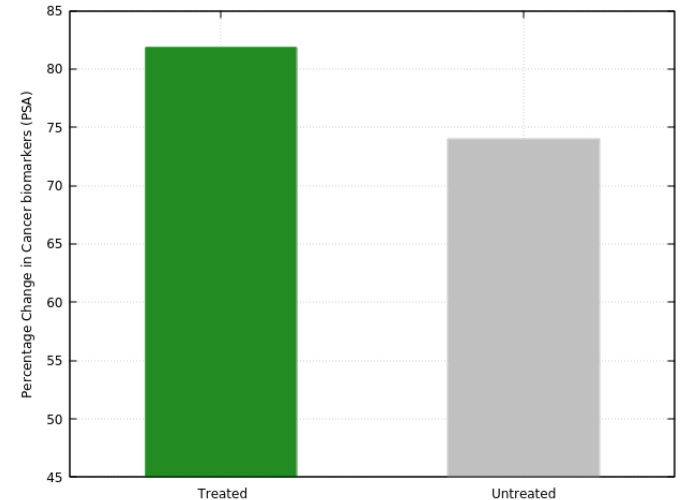
Tumour: Showing minimal tumour cells (T) with severe necrosis (N). 40×, H&E Stain.
Why Radsenpro?
Key differentiators
- Multi-component formulation: Resveratrol, Ursolic Acid, Caffeic Acid and Chlorogenic Acid metabolites working in concert.
- Research-led product story: Backed by laboratory, animal-model, ex-vivo and clinical-study information.
- Radiation-care positioning: Formulated alongside radiation therapy. Therapeutic claims require appropriate evidence and regulatory approval.
- Safety information presented: Includes a human safety/tolerability case-study section.
Usage
- Use Radsenpro according to approved product information and the guidance of a qualified healthcare professional.
- Individual treatment decisions should consider the patient's medical history, ongoing therapies, medications, contraindications and other relevant clinical factors.
- Radsenpro is not intended to replace prescribed cancer treatment.
Frequently asked questions
What is Radsenpro?
Radsenpro is a nutritional/cancer-care supplement containing Resveratrol, Ursolic Acid, Caffeic Acid and Chlorogenic Acid metabolites.
What are the ingredients?
The key components are Resveratrol, Ursolic Acid, Caffeic Acid and Chlorogenic Acid metabolites.
Is Radsenpro a cancer treatment?
No. Radsenpro is positioned as a supplement used alongside cancer care — not as a substitute for prescribed cancer treatment. Permitted claims depend on the applicable regulatory jurisdiction.
Can it be taken during radiation therapy?
Radsenpro is presented in the context of radiation therapy, but individual use must be decided with the treating healthcare professional after reviewing the patient's treatment plan, medications and contraindications.
What is the recommended dose?
Study cohorts used 500 mg/day, 1,000 mg/day and 1,500 mg/day — these are not consumer dosing recommendations. Always follow the approved product label and professional medical guidance.
Where can I get the study information?
Use the contact details below to request product and study documentation from the Radsenpro / Sal Biosciences team.
Request product or study information
Connect with the Radsenpro team to explore the product, request study documentation, or make a research and commercial enquiry.
Radsenpro Enquiries
Phone: +91 9019363833
Email: connect@sal-bio.science
Website: sal-bio.science/radsenpro
Sal Biosciences
#46, Double Road, 5th Stage,
Rajarajeshwari Nagar, Bengaluru
Regulatory & medical-claims disclaimer
This webpage is an informational adaptation of the supplied Radsenpro brochure. It is not a substitute for medical advice, diagnosis or prescribed cancer treatment. Statements concerning efficacy, radiosensitisation, disease-free survival, quality of life, tumour response, biomarkers, mechanism of action, safety or tolerability are presented from the supplied brochure and should not be treated as independently verified clinical conclusions unless supported by the underlying study reports.
Before publication or commercial use, all product claims, intended-use statements, dosage information, disease references, clinical claims, comparative claims and advertising language should be reviewed against the product's actual regulatory classification, approved label and applicable requirements in the target market. Healthcare professionals should review the complete evidence and patient-specific factors before recommending use.